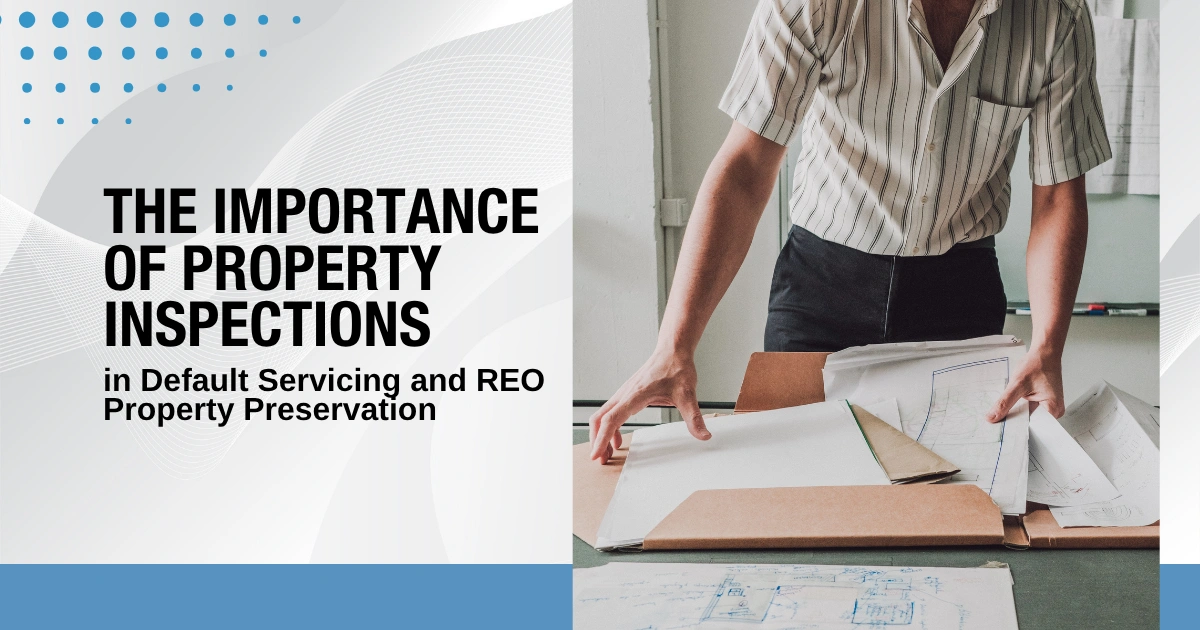
The Importance of Property Inspections in Default Servicing and REO Property Preservation
In the mortgage servicing and asset management industry, protecting property value is essential to minimizing financial loss. When a loan enters default or a property transitions into real estate owned (REO) status, the condition of the asset can change rapidly. Vacant homes, foreclosed properties, and distressed assets face higher risks of deterioration, vandalism, and compliance violations. This is why property inspections in default servicing play such a vital role in maintaining asset value and ensuring effective property management.
Within the property preservation industry, REO property inspections and routine monitoring provide the visibility lenders, servicers, and asset managers need to protect their investments. Inspections act as the foundation of preservation strategies, allowing professionals to assess risk, document property conditions, and respond quickly to emerging issues. From early default through final disposition, inspections help ensure that properties remain secure, compliant, and ready for market.
Understanding the role of property preservation inspections throughout the lifecycle of a distressed asset highlights why they remain one of the most important operational components in default servicing and REO property management.
Why Property Inspections Matter in Default Servicing
When a mortgage enters default, servicers must immediately begin monitoring the property associated with the loan. At this stage, the condition and occupancy status of the home can change quickly. Without proper oversight, small issues can escalate into major repairs that significantly increase loss severity.
Property inspections in default servicing provide the early visibility needed to assess risk exposure and determine the appropriate next steps. Inspectors verify whether the property remains occupied or if it has been abandoned. This distinction is critical because vacant properties face increased exposure to weather damage, vandalism, and municipal violations.
During these inspections, professionals evaluate the overall condition of the property and identify early warning signs of neglect. For example, overgrown landscaping, accumulating mail, or debris around the property may indicate that the home has been abandoned or poorly maintained. Inspectors also look for structural concerns such as roof leaks, broken windows, pest infestations, or mold growth.
Detecting these problems early allows servicers to intervene quickly. Addressing maintenance concerns at an early stage often prevents minor issues from becoming costly repairs. This proactive approach is one of the primary reasons property inspections in default servicing are considered a critical part of risk management in mortgage portfolios.
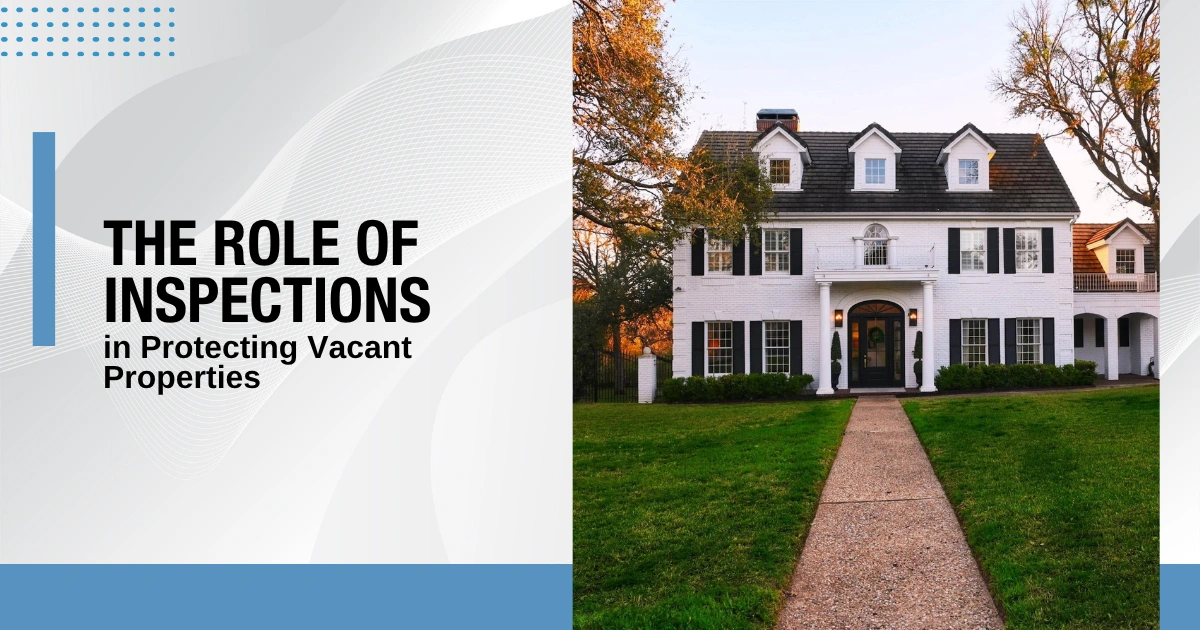
The Role of Inspections in Protecting Vacant Properties
Once a property becomes vacant, the need for regular inspections increases significantly. Vacant homes are more vulnerable to damage, unauthorized occupancy, theft of fixtures, and environmental deterioration. Without ongoing oversight, the condition of the property can decline rapidly.
Routine REO property inspections help confirm that the property remains secure and protected. Inspectors verify that doors, locks, and windows are intact and functioning properly. They also check whether the property has been properly winterized when necessary, which protects plumbing systems from freezing and bursting during colder months.
Another key responsibility during these inspections is identifying signs of unauthorized occupants or squatters. Vacant homes can attract individuals seeking temporary shelter, and this can lead to further property damage or safety concerns. Regular inspections help detect these situations quickly so that servicers can take appropriate action.
Weather-related damage is another common risk for vacant properties. Storms, flooding, and extreme temperatures can impact roofs, foundations, and exterior structures. Through consistent monitoring, inspectors can document any new damage and ensure that repairs are addressed promptly.
These efforts help maintain property conditions and reduce liability risks, protecting both the lender and the surrounding community.
Compliance with Investor and Municipal Requirements
Another critical reason inspections are necessary is to maintain compliance with investor guidelines and local regulations. Many government-backed loan programs and government-sponsored enterprises enforce strict requirements for monitoring distressed properties.
Organizations such as the U.S. Department of Housing and Urban Development, the Federal Housing Administration, the Department of Veterans Affairs, and the Department of Agriculture all require consistent documentation and inspection reporting for properties in default or foreclosure. In addition, Fannie Mae and Freddie Mac maintain detailed property preservation standards that include inspection timelines and reporting requirements.
Failure to comply with these guidelines can lead to financial penalties, claim denials, or reduced reimbursements. Regular property preservation inspections help ensure that servicers meet these obligations by providing documented proof of property condition and maintenance activity.
Local municipalities also enforce regulations related to vacant properties. Many jurisdictions require vacancy registration, regular lawn maintenance, snow removal, and code compliance. Without inspections, it can be difficult for servicers to track these requirements and maintain compliance.
By conducting consistent inspections and documenting property conditions, mortgage servicers and field service providers can stay aligned with both investor expectations and local ordinances.
Controlling Costs Through Accurate Inspection Data
One of the most overlooked benefits of inspections is their role in controlling property preservation costs. In the absence of reliable property data, servicers may authorize unnecessary repairs or maintenance work that does not reflect the actual condition of the asset.
Accurate property preservation inspections provide the information needed to ensure that work orders are based on real property conditions rather than assumptions. Inspectors document issues through detailed reports, photographs, and timestamps, allowing servicers to make informed decisions about repairs and maintenance.
This level of transparency helps prevent operational waste and ensures that preservation work is only completed when necessary. It also improves accountability among vendors responsible for performing maintenance and repair services.
Early identification of issues can also reduce the overall cost of preservation. For example, detecting a small roof leak early may allow for a minor repair rather than a full roof replacement later. Similarly, identifying broken windows or damaged doors early can prevent additional interior damage caused by exposure to weather or vandalism.
Through proactive monitoring and accurate reporting, inspections become an important tool for managing operational costs and protecting investor reimbursement eligibility.
Supporting REO Property Management and Marketing
After foreclosure is completed, properties often transition into REO status, meaning they are owned by the lender or investor. At this stage, inspections continue to play a critical role in asset management and marketing.
REO property inspections help ensure that homes remain in marketable condition while they are listed for sale. Inspectors verify that the property remains vacant, secure, and properly maintained. They also monitor for new damage or unauthorized entry that could impact the sale process.
Maintaining curb appeal is particularly important during this stage. Properties that appear neglected or poorly maintained may attract fewer buyers and take longer to sell. Routine inspections help confirm that landscaping, debris removal, and exterior maintenance are completed as required.
Inspections also provide asset managers and real estate professionals with updated information about property conditions. This data can be used to support appraisals, listing strategies, and showing preparation.
By ensuring that properties remain secure and presentable, inspections help reduce days on market and maximize recovery value for lenders and investors.
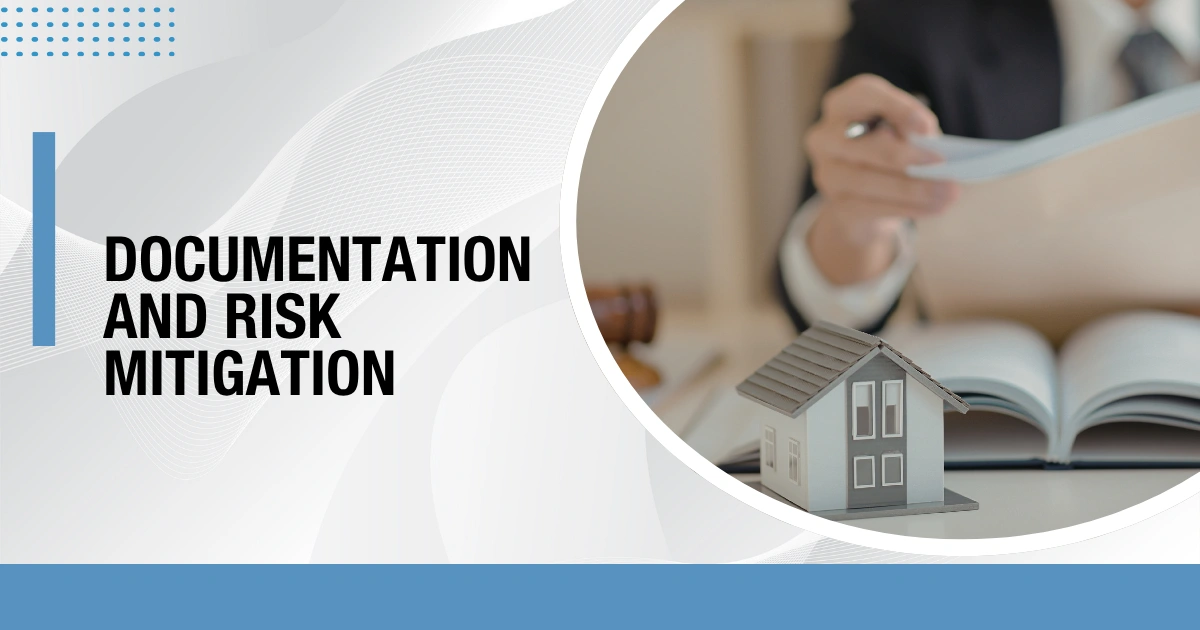
Documentation and Risk Mitigation
In addition to monitoring property conditions, inspections create a documented history of the asset over time. Detailed inspection reports provide a record of maintenance activities, property changes, and vendor performance.
This documentation is critical for audit protection and risk mitigation. Investor reviews, insurance claims, and regulatory investigations often require proof that servicers followed proper preservation procedures. Inspection reports containing photographs, notes, date and timestamps help demonstrate compliance with required standards.
Having a documented timeline of property conditions can also help resolve disputes related to damage or repairs. For example, if a property experiences vandalism or weather damage, previous inspection reports can help determine when the issue occurred and whether proper maintenance protocols were followed.
This level of transparency protects servicers, investors, and preservation companies by providing clear evidence of property management efforts throughout the default and REO lifecycle.
Inspections Are the Foundation of Effective Property Preservation
The role of inspections in mortgage servicing and property preservation cannot be overstated. Throughout the lifecycle of a distressed asset, property inspections in default servicing, REO property inspections, and consistent property preservation inspections provide the visibility needed to protect property value and maintain compliance.
From early risk identification to ongoing asset monitoring and documentation, inspections serve as the foundation of effective preservation strategies. They help identify potential issues before they escalate, ensure properties remain secure and compliant, and support the successful marketing and sale of REO assets.
In an industry where property conditions directly impact financial recovery, inspections are not simply a routine task. They are a critical safeguard that protects both the asset and the communities in which these properties are located.
Without consistent and accurate inspections, problems remain hidden until they become far more expensive and difficult to resolve. By prioritizing comprehensive inspection programs, mortgage servicers and asset managers can preserve property value, reduce operational risk, and maintain the integrity of their portfolios throughout the default and REO property lifecycle. For additional insight into how inspection and preservation strategies support asset protection, resources and industry perspectives can be found here.