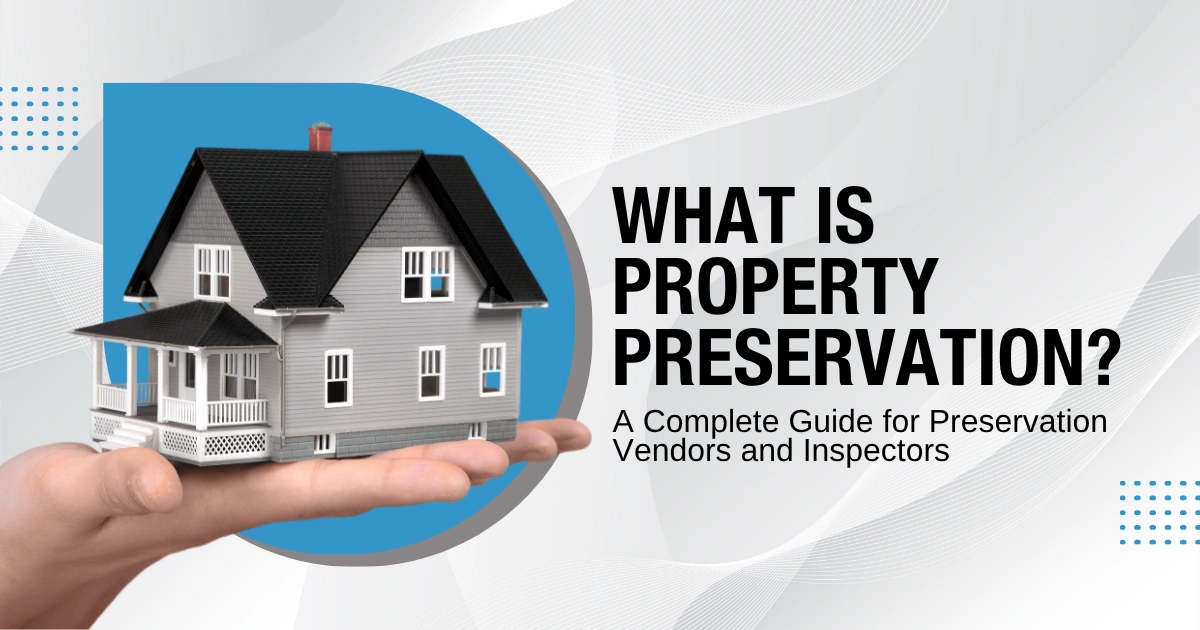
Property preservation is the business of protecting, maintaining, and repairing vacant or distressed properties so they remain safe, compliant, and market-ready. It is most commonly associated with foreclosures, but in practice, it applies to any property that is no longer being actively maintained by an occupant. Within the mortgage servicing and asset management world, property preservation is a critical function, not a secondary one.
When a property goes vacant, risk increases immediately. Deferred maintenance accelerates, exposure to weather becomes a threat, and even minor issues can quickly lead to code violations, insurance problems, or costly repairs. Property preservation exists to prevent that chain reaction and to stabilize the asset until it reaches its next stage in the lifecycle.
This guide explains the property preservation definition in practical terms, outlines how preservation actually works in the field, and clarifies the role property preservation vendors and inspectors play in protecting assets for lenders, servicers, and investors.
Understanding the Property Preservation
A practical property preservation definition is straightforward. Property preservation is the ongoing process of securing, maintaining, and protecting a vacant or distressed property, both inside and out, to prevent deterioration, safety hazards, and compliance issues.
It is not renovation work and it is not resale preparation. Property preservation focuses on risk control. The objective is to keep the property stable, compliant with local and investor requirements, and protected from damage while ownership, foreclosure, or disposition is unresolved.
Most property preservation work occurs on properties that are in default, pre-foreclosure, foreclosure, or REO status. In these situations, mortgage servicers rely on preservation vendors and inspectors to act as their eyes, ears, and hands on the ground.
Why Property Preservation Is a Core Industry Function
Vacant properties do not remain neutral assets. Without oversight, they deteriorate quickly and often visibly. Overgrown lawns, unsecured doors, interior water damage, and debris accumulation attract attention from neighbors, municipalities, and opportunistic trespassers.
From a servicing and investor standpoint, property preservation protects asset value while also limiting liability. It helps prevent vandalism, unauthorized occupancy, and weather-related damage. It reduces the likelihood of municipal citations, fines, and liens. It also supports insurance compliance by demonstrating that reasonable care and preventative measures were taken.
In short, property preservation is preventative. It is far less expensive to maintain a vacant property than to repair one that has been neglected.
What Property Preservation Work Includes
Although scopes vary by client and region, property preservation generally follows the same operational structure. The work is designed to secure the property, address immediate risks, maintain exterior appearance, and document conditions consistently.
Inspections form the foundation of the entire process. Preservation inspections verify occupancy, assess condition, identify safety hazards, and document changes over time. These inspections are not simply box-checking exercises. They guide every downstream decision, from securing to repairs to insurance claims. Clear narratives and accurate photo documentation are essential because inspection reports are often reviewed by multiple stakeholders.
Securing and Safety
Securing and safety work is often the first line of defense once a property is confirmed vacant or directed for protection. This includes performing lock changes or rekeying to control access, boarding broken or missing windows to prevent intrusion, and securing outbuildings such as garages or sheds that may otherwise be overlooked. Posting required notices is also part of this process, ensuring the property meets legal and procedural requirements. In addition, visible safety hazards are addressed to reduce the risk of injury, liability, or further damage to the structure.
Winterization
In colder climates, winterization is one of the most critical preservation services. The goal is to protect the plumbing system and interior components from freeze-related damage. This typically involves draining plumbing systems, adding antifreeze where required, shutting off utilities according to guidelines, and ensuring pipes are protected from freezing temperatures. Proper winterization is preventative by nature, and when done correctly, it helps avoid some of the most expensive and disruptive losses associated with vacant properties.
Cleaning and Debris Removal
Cleaning and debris removal services focus on health, safety, and compliance. Interior and exterior trash-outs remove accumulated debris that can attract pests, create hazards, or trigger code enforcement issues. In some cases, hazardous waste must be identified and removed according to proper disposal standards. Deep cleaning may also be required to address unsanitary conditions and stabilize the property for ongoing inspections or future repairs. As with all preservation work, documentation is essential to confirm what was removed and why.
Lawn and Exterior Maintenance
Exterior condition is one of the most visible indicators of whether a property is being maintained. Lawn and exterior maintenance services help prevent neighborhood complaints and municipal violations. This work typically includes regular grass cuts, shrub and tree trimming, snow removal during winter months, and addressing exterior conditions that impact code compliance. While these tasks may seem routine, missed cycles or inconsistent maintenance can quickly escalate into enforcement actions.
Repairs and Ongoing Maintenance
Property preservation also includes limited repairs and maintenance designed to stop further deterioration rather than fully renovate the property. This can involve roof repairs to address active leaks, drywall, flooring, or plumbing fixes to correct functional issues, and mold remediation when moisture problems are identified. In some cases, repairs are tied directly to insurance claims, requiring additional documentation and coordination. These services are scoped carefully to align with investor and servicer guidelines.
Inspections and Documentation
Inspections are the backbone of all preservation activity. Occupancy checks determine whether a property is occupied, vacant, or unknown. Initial condition reports establish a baseline for the asset, while recurring inspections track changes over time and confirm that preservation efforts remain effective. Photo documentation supports every inspection and service, providing time-stamped, location-verified evidence that the work was completed and that the property’s condition has been accurately reported.
Who Uses Property Preservation Services
Property preservation vendors and inspectors typically work on behalf of mortgage servicers, banks, asset management companies, government-backed investors, and institutional real estate investors. These clients operate under strict guidelines and expect preservation work to meet defined standards for quality, timeliness, and documentation.
The work is rarely discretionary. It is governed by investor rules, federal programs, local ordinances, and internal servicing requirements. Vendors who understand this compliance environment tend to perform better over time.
The Role of Property Preservation Vendors
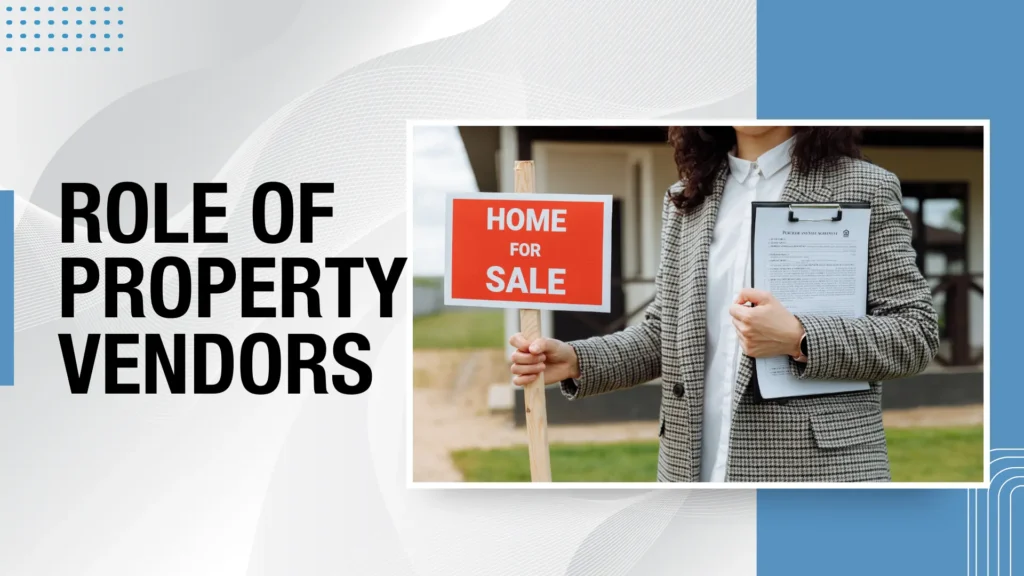
Property preservation vendors are responsible for executing field services according to detailed work orders and specifications. Their performance is measured not only by speed, but by accuracy, consistency, and documentation quality.
Successful vendors understand that property preservation is compliance-driven. They follow investor guidelines closely, maintain proper insurance and credentials, and document every service with clear, time-stamped, and location-verified photos. They also communicate early when site conditions do not match expectations, such as access issues, hazards, or severe damage.
Most preservation work is paid on a work-order basis, with flat-rate pricing for routine services and bid-based approvals for larger repairs. Payment reliability depends heavily on meeting documentation and guideline requirements.
The Role of Property Preservation Inspectors
Inspectors play a critical role because their reports drive decisions. Occupancy determinations, condition assessments, and hazard identification all originate from inspection data.
Strong property preservation inspectors document conditions objectively and consistently. They avoid speculation, capture required photo sets every time, and describe what they see clearly. When inspections are thorough and easy to interpret, clients can act quickly and confidently.
Tools, Equipment, and Technology
Property preservation work requires a combination of field equipment and technology. Vendors typically rely on basic tools, lawn equipment, cleaning supplies, securing hardware, and personal protective equipment. Equally important is access to reliable mobile reporting platforms that support photo documentation, geo-verification, and real-time uploads.
Technology has become a core part of preservation compliance. Incomplete or inconsistent reporting is one of the fastest ways to lose work.
Compliance and Risk Management
Property preservation operates at the intersection of investor guidelines, federal program requirements, local code enforcement, and safety standards. Every service performed on a vacant or distressed property is subject to review, and compliance is not optional. Preservation work must align with established industry requirements, including Fannie Mae guidelines, Freddie Mac guidelines, HUD and FHA requirements, local code enforcement rules, and servicer-specific standard operating procedures.
When these guidelines are not followed precisely, the consequences can be immediate. Chargebacks, payment delays, and removal from approved vendor networks are common outcomes when documentation is incomplete or work falls outside of scope. This is why experienced property preservation professionals approach every file as if it could be audited later. Clear, consistent documentation is not an extra step in the process. It is the primary safeguard against disputes, denials, and liability.
Beyond compliance, property preservation also comes with operational challenges that require careful management. Tight turnaround times are common, especially when properties are at risk of violations or damage. Documentation requirements are high, and even minor inconsistencies can result in rejections or rework. Weather-related emergencies can disrupt schedules and create urgent conditions that must still be handled according to guidelines. There is also ongoing liability exposure when repairs are performed incorrectly or when safety hazards are missed. In some cases, payment delays from certain companies add financial pressure to the operation.
Understanding investor guidelines and maintaining strong internal quality control are essential to navigating these challenges successfully. Vendors and inspectors who prioritize accuracy, communication, and documentation are far better positioned to protect themselves and the assets they manage.
Need a Property Preservation Partner?
If you are looking for a property preservation partner that understands both compliance and real-world field execution, we would welcome the conversation. We work with property preservation vendors and inspectors to support consistent scopes, clear documentation standards, and preservation strategies that protect assets while reducing unnecessary rework and escalation.
Reach out to discuss coverage needs, vendor onboarding, or how we can support your inspection and preservation operations.